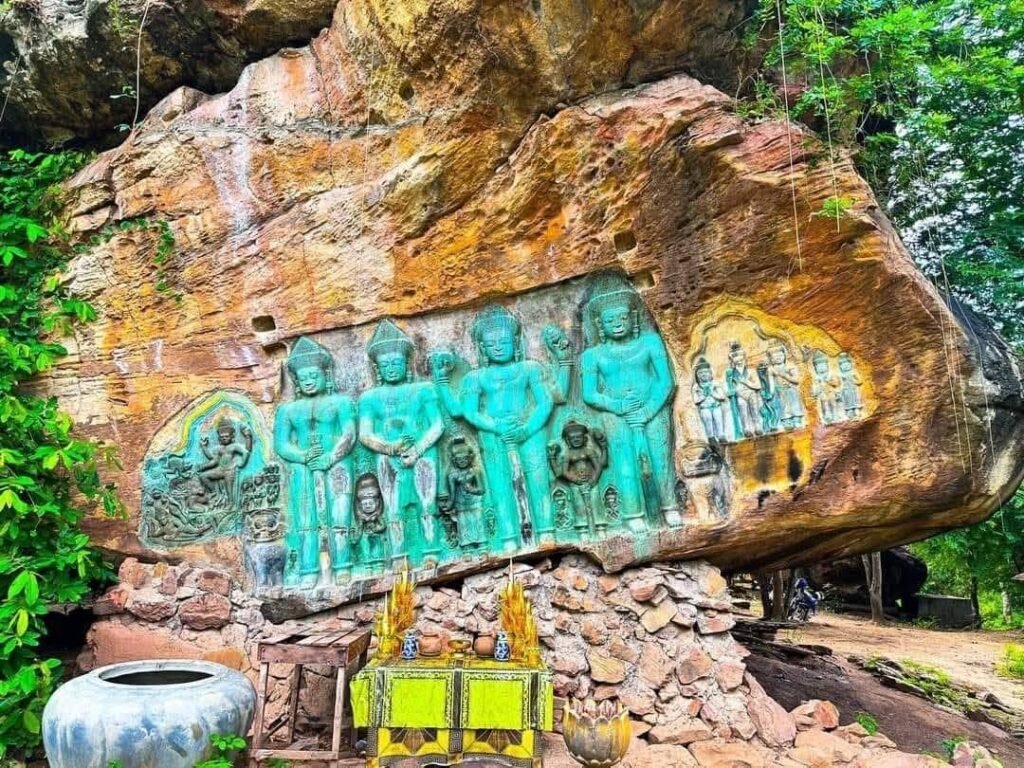
Koh Ker Temple day trip from Siem Reap
Top Plan to Avoid the Crowds at Prasat Thom in 2026 and 2027
See the seven tiers of Prasat Thom up close, know how long the road trip really takes, and settle whether a full-day private outing fits your visit.
A Koh Ker Temple day trip from Siem Reap runs close to three hours each way through rice fields and sugar palms, and the payoff waits at the end: a seven-tiered stone pyramid that once stood at the heart of the Khmer Empire. The crowds of Angkor do not reach it. Neither do most tour groups. That is the whole point of going.
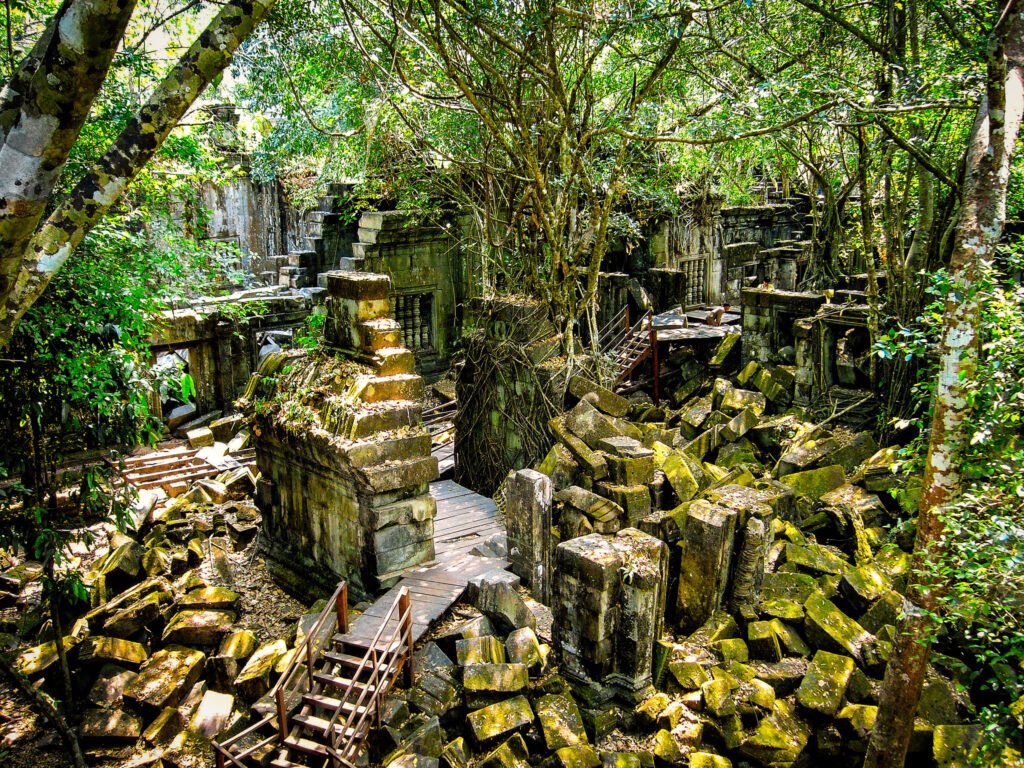
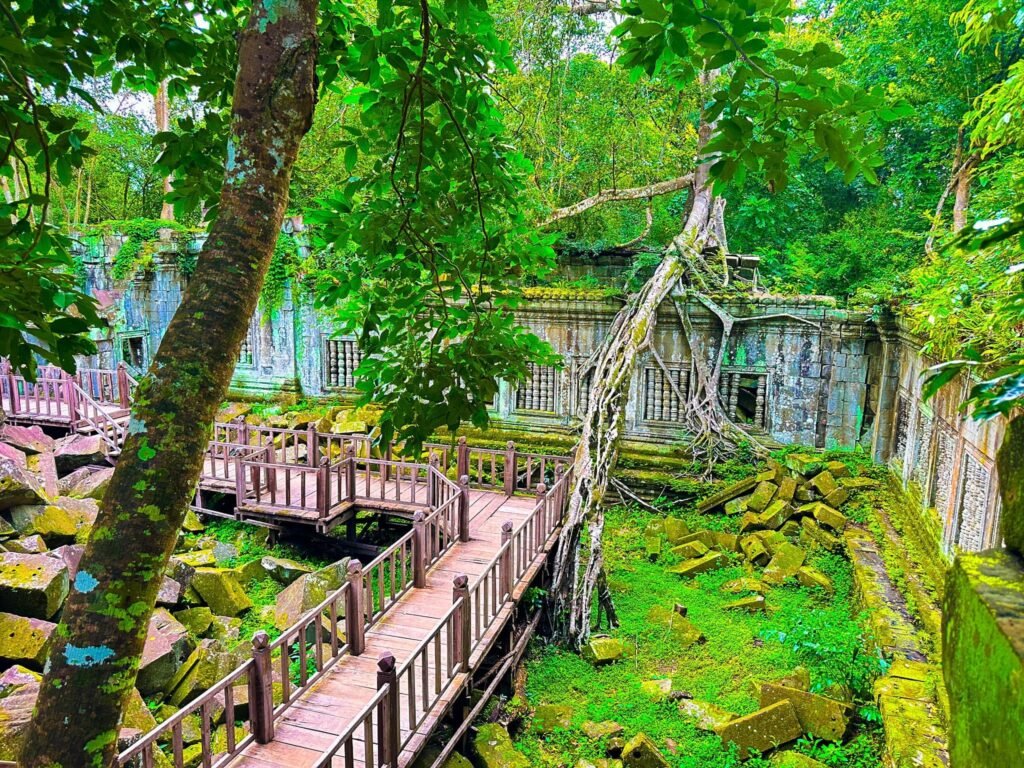
TL;DR: A Koh Ker Temple day trip from Siem Reap takes a full day, with two to three hours on the road each way and three to four hours at the site. Your Angkor pass will not open the gate, so plan on the separate $15 Koh Ker ticket. The main stop is Prasat Thom, a seven-tiered pyramid from the 900s that visitors can still climb. Many travelers add a stop at Beng Mealea, a jungle-smothered 12th-century ruin, on the way back to Siem Reap. It suits travelers who have done the main Angkor temples and want quiet and real history, and a private car with a driver turns the long ride into the calmest part of the outing.
The quick rundown on a Koh Ker Temple day trip from Siem Reap:
- One full day out and back, with the pyramid as the centerpiece.
- Around two to three hours each way by private car, on a sealed road.
- A separate $15 ticket, bought at the gate. The Angkor pass does not cover it.
- Prasat Thom’s seven tiers are climbable. Few Khmer temples let you do that.
- Beng Mealea adds about $10 and one more hour.
Is a Koh Ker Temple Day Trip from Siem Reap Worth It?
Yes, if you have already done the Angkor circuit
For anyone with a day or two of Angkor under their belt, yes. The pyramid looks like nothing else in Cambodia, and on most mornings you share the site with a handful of people. If you have two days and no Angkor yet, stay on the main circuit; this road eats a full day.
Here is my usual framing. The main park rewards patience; the quiet corners of Bayon and Ta Prohm keep giving. Koh Ker rewards sitting in a car for hours. The numbers confirm it: Angkor Enterprise counted 486,447 foreign visitors buying Angkor passes between January and mid-September 2026, and almost all of that traffic stays inside the main park. Out here the loudest thing is usually your own footsteps on stone.
How Far Is Koh Ker from Siem Reap?
Roughly 120 kilometers northeast, on a paved road
Before you book a Koh Ker Temple day trip from Siem Reap, know the distance. Koh Ker sits about 120 kilometers northeast of Siem Reap. The road that once flooded in the rainy season is now sealed, so the ride runs two to three hours with stops factored in.
The route passes Beng Mealea near the halfway mark, then rolls through flat farmland toward Preah Vihear. Sugar palms and rice fields slide past the windows for most of the trip. Roadside stalls sell cold drinks, and your driver knows which ones are worth it. The last stretch turns quiet like the site will be: fewer houses, longer gaps, more green.
How Long Does a Koh Ker Temple Day Trip from Siem Reap Take?
A full day, from about 8 a.m. to late afternoon
Plan the whole day around this trip. The Koh Ker and Beng Mealea Adventure page lists pickup at 8 a.m. and drop-off near 5 p.m., give or take your pace. Count on nine to eleven hours door to door.
Break the hours down. Two to three going out. Ten minutes at the ticket hut. Three to four inside the site. An hour for lunch near the gate. A shorter stop at Beng Mealea if you added it. The ride home feels shorter, and the last hour often runs on sunset light and a bamboo sticky rice stop.
What Is Koh Ker Famous For?
A stepped pyramid you can climb, and a forgotten royal capital
Two things, mostly. First, Prasat Thom, the seven-tiered pyramid that dominates the whole site. Second, history: Koh Ker was the sole capital of the Khmer Empire from 928 to 944, and UNESCO added it to the World Heritage List in September 2023.
The old name tells you what mattered here. Inscriptions call the place Lingapura, the city of the linga, a sacred symbol of Shiva, and Jayavarman IV laid the city out around that idea. In about two decades this clearing became the center of the empire. Then the court moved back toward Angkor, and the forest took over for a thousand years.
Prasat Thom and the Seven Tiered Koh Ker Pyramid
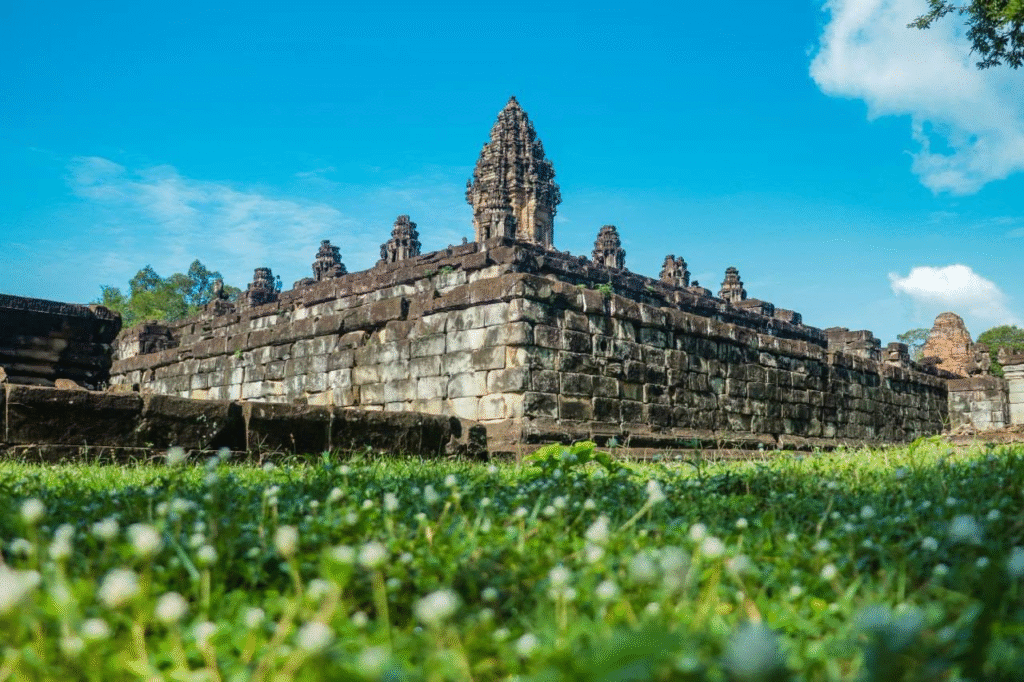
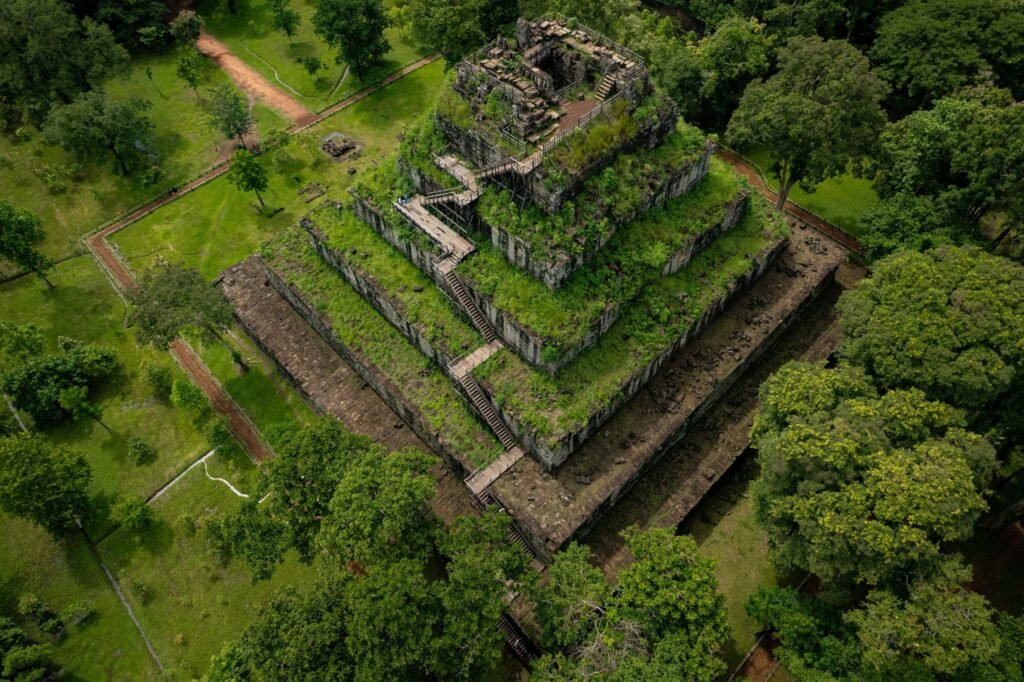
For most people, a Koh Ker Temple day trip from Siem Reap peaks here. Made of laterite and sandstone, it stands roughly 36 meters, about 118 feet, in seven stacked tiers, with stairways climbing the face.
Standing at the base is one thing. Climbing is the other. The steps are steep, the handrails recent, and the top opens onto flat farmland running to the horizon. There is no shade at the summit, so climb early. The tour notes the heights warning plainly: fear of heights means a rethink, and everyone should carry water.
What strikes me every visit is the ratio of size to silence. Angkor Wat earns fame from carving on every wall; Prasat Thom stands plain and enormous where the loudest sound is wind in the trees.
Koh Ker History and the Khmer Empire
Koh Ker was the capital from 928 to 944 under King Jayavarman IV. The UNESCO listing notes the city rose over more than two decades, first as one of two rival capitals, then as the sole seat of the empire.
The 20th century was not kind to this site. War and looting scattered its sculptures around the world. In 2024, New York’s Metropolitan Museum of Art returned 14 sculptures to Cambodia, among them the two Koh Ker Kneeling Attendants tied to this site. The 2023 UNESCO inscription placed the whole forest under international protection. For a site that spent decades losing pieces of itself, that mattered.
Which Temples Can You Visit at Koh Ker?
More than 80 temples and sanctuaries scatter across the forest at Koh Ker. A handful stand signed and walkable; the rest sit under vegetation, waiting.
- Prasat Thom is the pyramid and the main event. Climb it before lunch.
- Prasat Neang Khmau, the Black Lady, is a dark laterite temple with a local legend attached.
- Prasat Krachap is known for the lintels carved over its doorways.
- Prasat Chen holds twin sanctuaries prized for their stonework.
- Prasat Pram is a smaller cluster and a good quiet second stop.
The trails between them see almost nobody. Stand at Prasat Krachap and you hear birds, not tour calls. Most groups cover the pyramid, one satellite temple, and the path back. A driver who never hurries you beats a strict checklist.